Best Camp Coffee Makers
Start your campfire mornings right. We tested the best portable coffee makers that deliver café-quality brews in the backcountry.
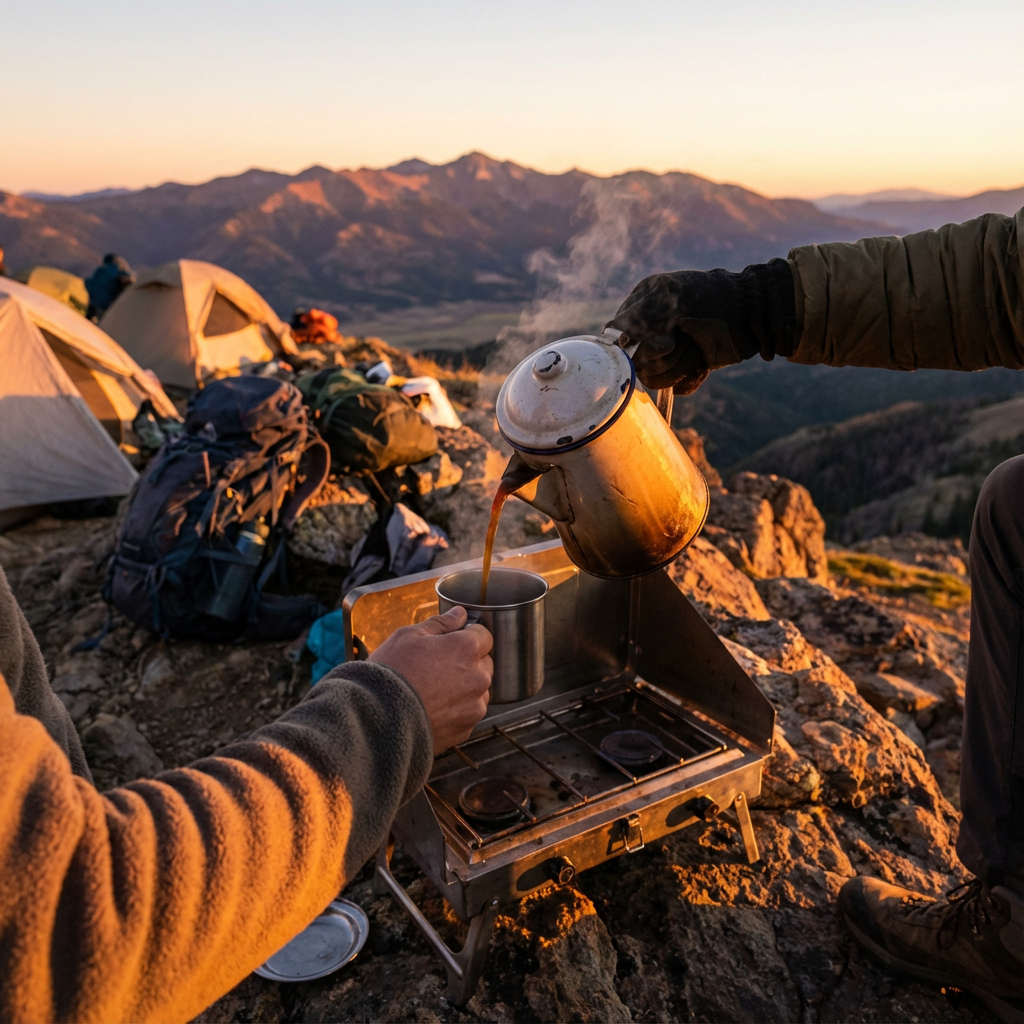
Overview
Camping without good coffee is just sleeping in the dirt. Here are the best portable brewers for backcountry mornings.
Coffee on a camp chair, surrounded by forest silence and morning mist, hits different. But that magic evaporates if your brewing method sucks. Modern portable brewers rival home kitchens while weighing ounces and packing small.
Methodology
I brewed dozens of cups across various altitudes and temperatures. Extraction quality matters. Durability matters. Ease of use at 6 AM when you’re still half-asleep matters. All products ranked on brew quality, portability, and value.
Our Top Picks
1. GSI Outdoors Ultralight JavaDrip - Around $15
Ultralight simplicity that actually tastes great
The GSI JavaDrip is a paper-thin aluminum dripper that fits between any two cups. Weighs 1 oz. Smaller than a deck of cards. Works with standard paper filters and coffee grounds. Zero learning curve. Brew quality rivals pour-over cafés.
This is the ultralight winner. Period.
- Weight: 1 oz
- Capacity: Single cup (8-12 oz)
- Material: Anodized aluminum
- Setup time: 3 minutes
- Best for: Ultralight backpackers, minimalists
2. AeroPress Go Camping Coffee Maker - Around $40
Full-featured brewing in a compact package
The AeroPress Go uses air pressure to create espresso-like extraction. Produces rich, full-bodied coffee miles ahead of drip. Integrated travel case holds everything—fits in your pack pocket. 4 oz. Heavier than ultralight alternatives but the brew quality justifies it.
- Weight: 4 oz
- Capacity: Single or double cup
- Material: BPA-free plastic and stainless steel
- Setup time: 5 minutes
- Best for: Coffee snobs who refuse to compromise, weekend campers
3. Jetboil Flash Camping Stove - Around $150
Integrated system for fast water
The Jetboil Flash combines stove, pot, and heat exchanger. Water boils in 2 minutes flat. One-liter pot handles multiple cups. Integrated thermometer prevents scalding. 13.5 oz with fuel. Heavier than single-purpose brewers but eliminates separate cookware.
This is the solution if you’re heating water for multiple purposes.
- Weight: 13.5 oz (with fuel)
- Capacity: 1 liter
- Material: Stainless steel pot with plastic exterior
- Heat-up time: 2 minutes to boil
- Best for: Group camping, multi-course breakfast, car campers
4. Melitta Ready Set Joe Portable Coffee Maker - Around $8
The budget option that works
Don’t let the $8 price fool you. This plastic dripper is nearly indestructible. Pour hot water through grounds in a paper filter. Coffee drips into your cup. Packs flat to nothing. Paper filters are sold everywhere. It’s not fancy, but it’s honest.
- Weight: 0.7 oz
- Capacity: Single cup (6-10 oz)
- Material: Plastic
- Setup time: 2 minutes
- Best for: Budget campers, group trips (share one maker), beginners
5. IMUSA Stovetop Moka Pot - Around $25
European camp coffee tradition
The Moka Pot brews by steam pressure, creating strong coffee reminiscent of espresso. 6-cup aluminum version weighs 7 oz. Sits on campfire grates or camp stoves. Fill bottom with water, add finely ground coffee to middle basket, screw on top, heat until you hear gurgling.
Once you master it, it becomes ritual.
- Weight: 7 oz
- Capacity: 6-cup (larger than standard drip cups)
- Material: Cast aluminum
- Setup time: 7-10 minutes
- Best for: Traditional coffee lovers, group trips, stovetop comfort
6. Coleman Campfire Percolator - Around $22
Classic camp coffee for purists
The classic percolator brings nostalgia and effectiveness. Stainless steel, holds 12 cups. Place on hot coals or camp stove, wait for perking sounds, remove from heat. Not sophisticated, but the ritual feels genuinely camping. Robust construction means your grandkids inherit it.
Pro tip: add a pinch of salt to grounds to reduce bitterness.
- Weight: 14 oz (empty)
- Capacity: 12 cups
- Material: Stainless steel
- Setup time: 10 minutes
- Best for: Group camping, traditionalists, ritual enjoyers
Brewing Methods Compared
Each brewing method produces distinctly different coffee. Understanding the differences helps you choose the right gear for your taste preferences.
Pour-over (JavaDrip, Melitta) delivers clean, bright cups with pronounced acidity and delicate flavor notes. The paper filter removes oils and sediment, resulting in lighter body. Best for single-origin beans where you want to taste the nuances.
Pressure brewing (AeroPress) creates fuller body with more dissolved solids. The forced extraction pulls oils and fine particles through, producing something between drip and espresso. Versatile—adjust grind size and steep time to dial in your preference.
Steam pressure (Moka Pot) generates concentrated, intense coffee with crema-like foam on top. Higher extraction temperatures create bold, slightly bitter profiles. Excellent base for camp lattes if you pack powdered milk.
Percolation (Coleman) cycles water repeatedly through grounds, extracting maximum caffeine but risking over-extraction. The result is strong, robust coffee that stands up to cream and sugar. Not subtle, but undeniably effective for cold mornings.
Coffee Ground Recommendations
Grind size dramatically affects extraction. Match your grind to your brewing method for optimal results.
Coarse grind (sea salt texture): Percolators and French press. Coarse grounds slow extraction during long brew cycles, preventing bitterness. Pre-ground “percolator” blends work well.
Medium grind (table salt texture): Pour-over drippers like JavaDrip and Melitta. The standard drip grind from grocery stores works perfectly. Water flows through at the right rate for balanced extraction.
Medium-fine grind (slightly finer than table salt): AeroPress. The shorter contact time and pressure need slightly finer grounds. Experiment between medium and fine to find your sweet spot.
Fine grind (powdered sugar texture): Moka Pots require near-espresso fineness. The steam pressure forces water through quickly, so fine grounds ensure proper extraction. Too coarse produces watery, sour results.
Pre-ground vs. fresh: Fresh-ground always tastes better, but adds weight and hassle. Compromise: grind beans at home within 24 hours of departure, store in airtight container. A manual burr grinder ($25-40) lets you grind fresh at camp if you’re committed.
Cleaning Tips for Camp Coffee Gear
Proper cleaning extends gear life and prevents stale flavors from ruining future brews.
In the field: Rinse immediately after brewing while residue is soft. Hot water works best. Shake out grounds and wipe with bandana or camp towel. Air dry completely before packing to prevent mold.
Pour-over drippers: Remove filter and grounds, rinse with hot water. The simple design makes cleaning effortless. Occasional scrub with biodegradable soap removes oil buildup.
AeroPress: Unscrew cap, push plunger to eject the coffee puck directly into trash or fire pit. Rinse chamber and plunger. The self-cleaning design makes this the easiest to maintain. Remove rubber seal monthly and wash separately.
Moka Pots: Never use soap—it strips the seasoned coating that improves flavor over time. Disassemble all three pieces, rinse with plain water, wipe dry. Replace rubber gasket annually or when coffee leaks during brewing.
Percolators: Dump grounds, rinse basket and stem. Fill pot with water and a tablespoon of baking soda, simmer for 5 minutes, rinse thoroughly. This removes accumulated oils that create rancid flavors. Deep clean after every 3-4 uses.
At home: Disassemble completely and wash all removable parts. Check for mineral deposits if using hard water. White vinegar soak dissolves scale buildup. Dry thoroughly before storage.
Pro Tips for Better Camp Coffee
- Bring quality beans: Pre-grind coarse at home or invest in a hand grinder ($20-40)
- Water temperature matters: Boiling water scorches coffee. Aim for 195-205°F
- Timing is everything: Most methods extract best between 3-5 minutes
- Altitude affects brewing: Higher elevations need longer brew times (lower boiling points)
- Pack filters in ziplock: Paper filters weigh nothing and prevent grounds in your cup
Final Thoughts
The best camp brewer is the one you’ll actually use. Start simple with a $15 JavaDrip or $25 Moka Pot. Establish your ritual. Upgrade to more sophisticated gear if the hobby develops.
The best coffee is the one enjoyed on a camp chair, surrounded by fresh air and quiet mornings. Everything else is just details.
Choose wisely, camp often. Happy Camping! 🏕️
More in Gear Reviews
Keep reading.
Best Camping Cookware Sets 2026: From Budget to Ultralight
We cooked hundreds of meals to find the best camping cookware sets. Aluminum, titanium, and stainless steel tested head-to-head.
Best Camping Pillows 2026: Tested Head-to-Head
We tested the top camping pillows for comfort, packability, and real sleep quality. These are the ones worth buying.
Best Dry Bags for Camping 2026: Keep Your Gear Bone Dry
We tested dry bags in downpours, river crossings, and canoe trips. These are the ones that actually keep water out.