Best Camping Hammocks for 2026
Swap your tent for a hammock. We tested the best camping hammocks that offer comfort, durability, and easy setup for backcountry adventures.
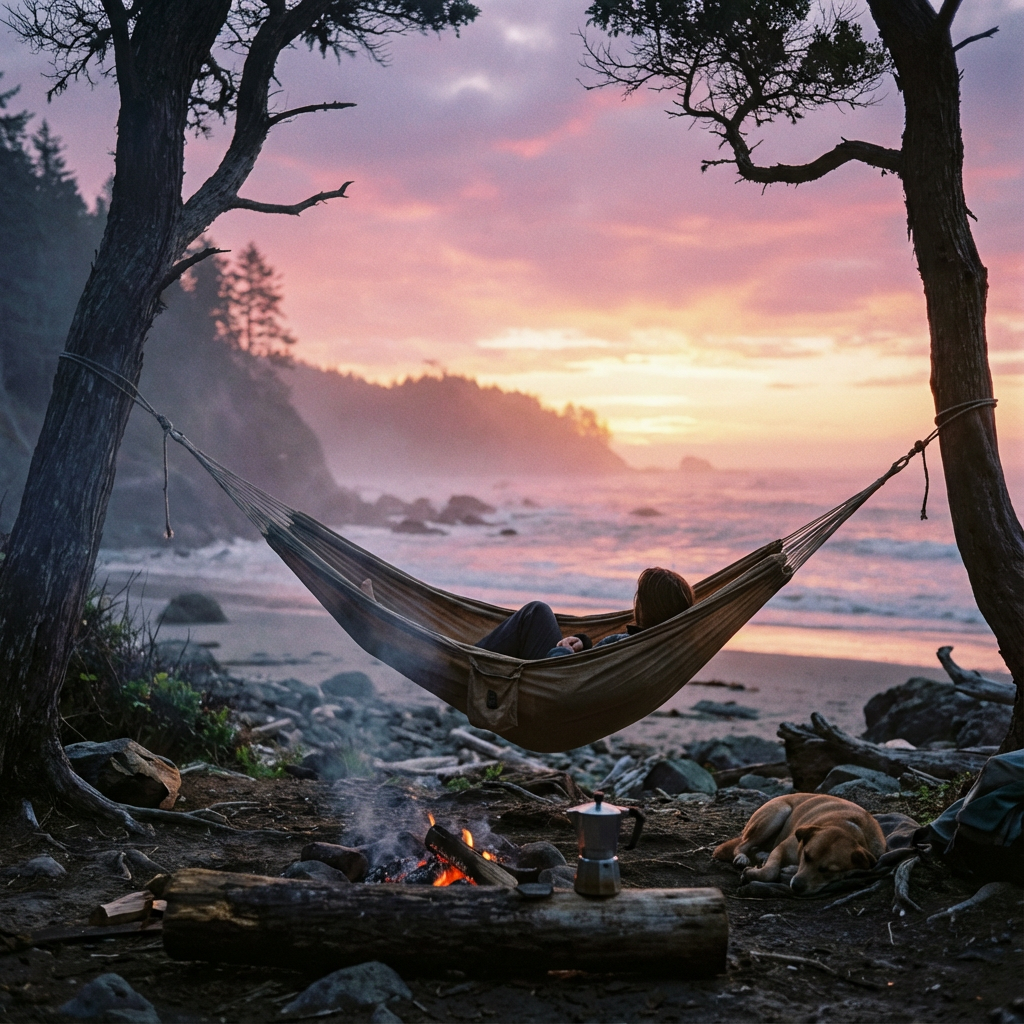
Overview
Sleep elevated, stay comfortable. We tested the best camping hammocks that transform your backcountry experience.
Hammock camping is liberating. No flat ground needed. No rocky tent floor. Just two trees and a suspended night’s sleep. Modern hammocks rival tents in comfort while cutting pack weight and setup time.
Methodology
I tested each hammock on multi-night trips across various terrain. Rain performance matters. Suspension reliability matters. Comfort at 2 AM when you can’t fall back asleep matters. All pricing reflects current market rates.
Our Top Picks
1. ENO SingleNest Hammock - Around $70 (Bug Net Sold Separately)
The benchmark everyone copies
ENO defined modern hammock camping. The SingleNest weighs 19 oz and uses 40D ripstop nylon in a gathered-end design. Setup takes minutes. Add the Guardian Bug Net (around $60-70) for insect protection. Total system around $130-140.
Honestly? This is the one I’d buy first. It works, it’s proven, and replacement parts are everywhere.
- Weight: 19 oz (hammock); 7 oz (bug net)
- Capacity: 400 lbs
- Material: 40D ripstop nylon
- Suspension included: Yes (nylon straps)
- Best for: First-time hammock campers, tree-rich environments
2. Warbonnet Blackbird XLC - Starts Around $200
Premium comfort for serious hammockers
The Blackbird XLC starts at $200 (final price depends on options). Asymmetrical design fits your body’s natural angle. Integrated bug net and under-quilt attachments. Around 48 oz—heavy for ultralight but comfortable for car camping or basecamps.
This is what you buy when hammocking becomes your primary sleep system.
- Weight: 48 oz (hammock only)
- Capacity: 400 lbs
- Material: Ripstop nylon with reinforced stress points
- Suspension included: No (sold separately)
- Best for: Comfort-first enthusiasts, extended trips, year-round camping
3. Hennessy Hammock Explorer Deluxe - Around $210-220
Complete system at mid-range price
The Hennessy includes integrated rainfly and bug protection. Weighs 23 oz total. Asymmetrical lay is comfortable. Zippered entry. This is a complete weather-protection system out of the box—no shopping for add-ons.
- Weight: 23 oz (hammock + fly)
- Capacity: 330 lbs
- Material: 20D ripstop nylon
- Suspension included: Yes (tree straps)
- Best for: Ultralight backpackers, all-in-one solution seekers
4. Grand Trunk Singleline Hammock - Around $45
Bulletproof budget option
Sometimes you just want to try hammock camping without commitment. The Grand Trunk costs $45 and takes abuse. Parachute nylon construction. Used in military field operations. It’s not fancy, but it works.
- Weight: 19 oz
- Capacity: 400 lbs
- Material: Parachute nylon (70D)
- Suspension included: Yes (heavy-duty nylon straps)
- Best for: Budget buyers, first-time testers, durability over elegance
5. Kammok Roo Single Camping Hammock - Around $100
Modern features, practical pricing
Kammok balances premium features with reasonable cost. Ripstop nylon, asymmetrical lay, included carabiner suspension. 21 oz. Generous width means you won’t feel cramped. Good first-season purchase.
- Weight: 21 oz
- Capacity: 400 lbs
- Material: 20D ripstop nylon
- Suspension included: Yes (carabiner system)
- Best for: First-time buyers seeking quality, weekend adventures
6. Tentsile T-Mini Hammock Tent - Around $800
Flat sleeping platform for the gear-obsessed
The Tentsile uses three-point suspension to create a flat sleeping surface. Full rainfly, bug netting, reinforced frame. Weighs 45 oz. Expensive and heavy, but the comfort is unmatched. Only consider this if trees define your camping.
- Weight: 45 oz (complete system)
- Capacity: 500 lbs
- Material: Heavy-duty ripstop nylon
- Suspension included: Yes (3-point system)
- Best for: Car camping, premium comfort, tree-rich locations
Tree Selection and Site Setup
Finding the right trees matters more than having the right hammock. Poor tree selection leads to uncomfortable nights and potential safety issues.
What to look for:
- Tree diameter: Aim for trees at least 6 inches in diameter. Smaller trees flex too much under your weight and may not support sustained loads overnight.
- Distance between trees: Most hammocks need 12-15 feet between anchor points. Too close and you’ll have excessive sag. Too far and your straps won’t reach or you’ll hang at an uncomfortable angle.
- Tree health: Avoid dead or dying trees. Look for signs of rot, fungal growth, or hollow sections. A falling branch at 3 AM ruins any camping trip.
- Species considerations: Hardwoods like oak, maple, and beech make excellent anchors. Avoid trees with soft bark like birch or paper-thin bark species—your straps can damage them.
Protecting the trees:
Use wide straps (at least 1 inch) rather than thin ropes or cords. Wide straps distribute pressure and prevent bark damage. Most modern suspension systems include tree-friendly straps, but double-check before buying.
Setup Tips for Better Sleep
The hang angle determines your comfort. Most beginners hang too tight, creating a banana-shaped sleep position that strains your back.
The 30-degree rule: Your suspension straps should angle roughly 30 degrees from horizontal. This creates the ideal sag—about 12-18 inches of dip at center when you’re lying in the hammock.
Diagonal sleeping position: Don’t sleep straight in the hammock. Angle your body diagonally across the fabric. This flattens your sleeping surface and reduces the squeeze on your shoulders. Your head should be slightly off-center from your feet.
Height off ground: Hang your hammock so the lowest point sits about 18 inches above the ground when weighted. Low enough to easily get in and out, high enough to avoid ground contact if you shift during the night.
Ridgeline technique: A structural ridgeline (not to be confused with a tarp ridgeline) connects both ends of your hammock above the fabric. It maintains consistent sag regardless of how far apart your trees are. Set once, replicate anywhere.
Essential Accessories
Beyond the hammock itself, several accessories transform basic setups into complete sleep systems.
Suspension upgrades: Whoopie slings offer infinite adjustability with minimal weight. They replace traditional straps and let you fine-tune hang height and angle in seconds. Expect to pay $25-45 for quality whoopie slings.
Underquilts vs. sleeping pads: Sleeping pads compress beneath you and shift throughout the night. Underquilts wrap beneath your hammock, providing consistent insulation without compression. Worth the investment for any temps below 60 degrees.
Pillow solutions: Stuff sacks filled with extra clothes work, but dedicated hammock pillows contour to your neck position. Small luxury, big difference.
Gear storage: Ridgeline organizers hang above your body and keep headlamps, phones, and water bottles within reach. No more fumbling through pockets in the dark.
Drip lines: Small cords tied to your suspension prevent rainwater from running down your straps and into the hammock. Essential in wet conditions, often overlooked by beginners.
Complete System Considerations
A hammock alone isn’t enough. Budget for:
- Suspension straps: $15-40 (if not included)
- Rainfly: $40-150 (essential)
- Under-quilt: $100-250 (insulation below)
- Top quilt: $150-300 (insulation above)
The ENO SingleNest plus Guardian Bug Net ($130-140) gets you started. Add rain and insulation protection, and you’re looking at $400-600 total.
Final Thoughts
Start with the ENO SingleNest or Kammok Roo. Test the experience over several trips. If it clicks, upgrade to premium gear like the Warbonnet or Hennessy complete system.
Hammock camping isn’t about superiority over tents. It’s about freedom. No perfect ground needed. No site impact. Just you and the trees.
Choose wisely, camp often. Happy Camping! 🏕️
More in Gear Reviews
Keep reading.
Best Camping Cookware Sets 2026: From Budget to Ultralight
We cooked hundreds of meals to find the best camping cookware sets. Aluminum, titanium, and stainless steel tested head-to-head.
Best Camping Pillows 2026: Tested Head-to-Head
We tested the top camping pillows for comfort, packability, and real sleep quality. These are the ones worth buying.
Best Dry Bags for Camping 2026: Keep Your Gear Bone Dry
We tested dry bags in downpours, river crossings, and canoe trips. These are the ones that actually keep water out.