Camping in Bear Country: Safety Guide
Learn bear behavior and proven safety strategies to camp confidently in bear country. Understand prevention, deterrents, and response tactics that keep you safe.
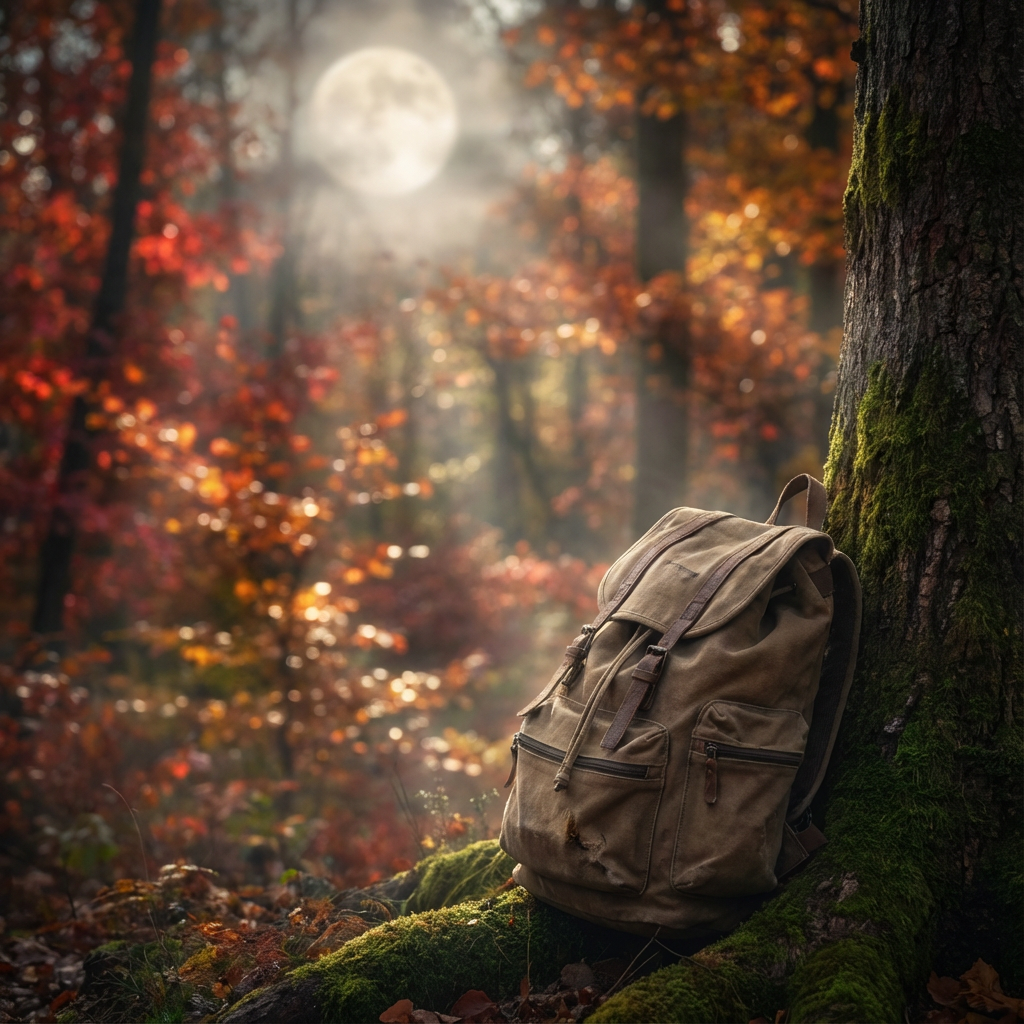
Overview
Bear country doesn't mean no camping. Learn the facts, follow the protocol, stay safe.
Bears aren’t looking to attack you. They’re looking for food. Understanding what bears actually want—and how to prevent them from finding it at your camp—removes the mystery and fear from camping in bear country.
Most bear encounters result from surprise or food attraction. Both are preventable. This guide covers the facts, proven strategies, and responses that work.
Know Your Bear Species
Black bears. Found across North America, black bears are smaller (200–300 pounds) and more likely to approach campsites seeking food. They’re excellent climbers and usually solitary. Black bears are more easily deterred by noise than grizzlies.
Grizzly bears. Present in the Northern Rockies and Alaska, grizzlies are larger (300–600 pounds) and more territorial. They’re less inclined to seek human food but more aggressive if surprised. Grizzlies have a shoulder hump and dish-shaped face; blacks have a straight profile.
Polar bears. Only relevant in Arctic camping. Follow specific regional protocols with mandatory guides. This guide focuses on black and grizzly bears.
Know your region. Before camping, research which bears inhabit your destination. Call the local ranger station for current bear activity reports and area-specific recommendations.
Prevention Is Everything
Make noise while hiking. Bears want to avoid you. Surprise creates defensive behavior. Talk, clap, use a bear bell, or whistle consistently while moving. This isn’t optional in grizzly country.
Avoid hiking at dusk and dawn. Prime bear feeding times. If you must hike early or late, make extra noise.
Stay on established trails. Bushwhacking increases surprise encounters exponentially. Bears avoid predictable trails.
Travel in groups. Groups of three or more discourage bear approaches. Solo hiking in prime bear habitat significantly increases risk.
Avoid carcasses. If you find a dead animal, leave immediately. A bear at a carcass is territorial and dangerous.
Food Storage: The Non-Negotiable Protocol
All camping in bear country hinges on food storage. Bears associate humans with food through experience. One camp’s improperly stored food creates a “problem bear” that may be killed later.
Bear canisters. Hard plastic cylinders that seal with a mechanism bears can’t operate. Store all scented items: food, toiletries, trash, cookware, even clothing with food smells. Your toothpaste matters.
Hanging a bear bag. If canisters aren’t available:
- Choose a tree at least 100 feet from your campsite
- Find a branch 12+ feet high, extending 6+ feet from the trunk
- Hang the bag at least 12 feet off the ground, 6+ feet from the trunk
Spacing matters. Store scented items at least 100 feet from where you sleep. Keep cooking areas at least 50 feet from sleeping areas.
Cook and eat away from your tent. Establish a separate cooking zone. Never eat in or near your tent.
Pack it out. Trash is food to bears. Pack out every scrap. Don’t bury or burn trash—bears excavate buried items.
Clean up immediately. Wash dishes right after eating. Residual food smells linger overnight. Dispose of wash water 100+ feet from camp.
Store toiletries properly. Sunscreen, bug spray, deodorant, toothpaste, and feminine hygiene products all have scent. Store in your bear canister or hung bear bag.
When You’re in Camp
Keep your campsite clean. Never leave food, trash, or dishes sitting around—including snacks on tables or trail mix in backpacks.
Don’t cook aromatic foods. Fish, bacon, and heavy meats create strong attractants. In bear country, choose simpler meals: rice, pasta, oatmeal, nuts, dried fruit.
Avoid smelly toiletries. Choose unscented soap and deodorant. Scented products are unnecessary hazards.
Never leave your tent unattended with food inside. A tent with food is a bear’s vending machine.
Don’t feed wildlife. Feeding any animal normalizes human-wildlife interaction and creates habituated animals that become bolder and dangerous.
Bear Encounters: Response Strategies
Despite precautions, an encounter might happen. Your response determines the outcome.
If you see a bear at a distance (over 100 feet):
- Stay calm. Don’t run.
- Back away slowly while facing the bear.
- Don’t make direct eye contact (bears interpret this as threat).
- Stand tall, raise your arms to appear large.
- Speak in low, calm tones.
- Continue backing away until the bear loses interest.
If a bear approaches:
- Identify the species.
- For black bears: Make yourself large and loud. Make aggressive noises, throw rocks, use bear spray. Black bears usually flee from strong defensive behavior.
- For grizzly bears: If attacked, play dead: lie flat, protect your head, remain still. A grizzly’s defensive attack usually ends once you stop moving.
Bear spray:
- Capsaicin aerosol effective at 20-40 feet.
- Start deploying when a charging bear reaches about 60 feet.
- Carry in accessible hip holsters, not your backpack.
- Only use when a bear is actively approaching aggressively.
- Bring it in bear country. Even unused, it provides confidence.
If a bear enters your camp at night:
- Make aggressive noise: yelling, clapping, air horns.
- Shine your headlamp in its eyes.
- Most bears flee from this response.
- As a last resort, use bear spray.
- Never play dead in your tent. Defend your space.
Regional Specifics
Eastern black bear country. Food storage is essential. Making noise while hiking is less critical than in grizzly country but still smart.
Northern Rockies grizzly country. Bear bells or talking constantly while hiking are mandatory. Some areas require specific grizzly education before camping.
Pacific Northwest. Mix of black and grizzly bears. Research your specific campground for canister requirements.
Alaska. Highly variable with dense bear populations in some areas. Consider hiring guides in high-traffic areas.
The Mental Game
Fear is normal—and often disproportionate. More people are injured by bees and snakes each year than by bears. You’re statistically safer in bear country following protocols than in many urban environments.
Fear becomes respect once you understand prevention. Your discipline protects not just you—it protects bears. A bear that never encounters human food never becomes a problem and never has to be destroyed.
Pre-Trip Preparation
Call ahead. Contact the ranger station for recent bear activity and required equipment.
Get education. Many areas offer free bear safety presentations. YouTube has excellent bear behavior videos from wildlife experts.
Know the regulations. Some areas mandate bear canisters. Others prohibit them. Follow them exactly.
Tell someone where you’re going. Leave detailed trip information with a trusted friend, including your expected return.
The Perspective
Bears aren’t monsters. They’re intelligent animals with predictable behavior. Understand their needs, remove their opportunities, and make noise so you never surprise one. Thousands camp safely in bear country every year using simple, proven protocols.
Your first bear country trip might feel intimidating. Preparation transforms anxiety into confidence. Do the work: research your area, follow the protocols, store your food correctly, and make noise while hiking. Then camp with peace of mind.
Now you know. Happy Camping! 🏕️
More in How-To Guides
Keep reading.
First-Time Car Camping: The Complete Checklist
Your essential guide to car camping without the overwhelm. Pack smart, plan ahead, and enjoy your first trip confidently with this comprehensive checklist.
How to Keep Food Cold Without Ice
Master proven techniques to keep your camping food fresh and cool without relying on ice. Learn passive cooling, insulation strategies, and smart food planning.
How to Read a Topographic Map
Master the fundamentals of topographic maps. Learn contour lines, elevation, terrain features, and how to navigate confidently in the backcountry.