Grand Canyon Camping Guide: South Rim, North Rim, and Below the Rim
The real guide to camping the Grand Canyon. Mather, Desert View, North Rim, backcountry permits, and the Havasupai trip of a lifetime.
Overview
Most people stand at the rim for 20 minutes and drive away. Here's how to actually camp the Grand Canyon.
The Two Rims (and Below)
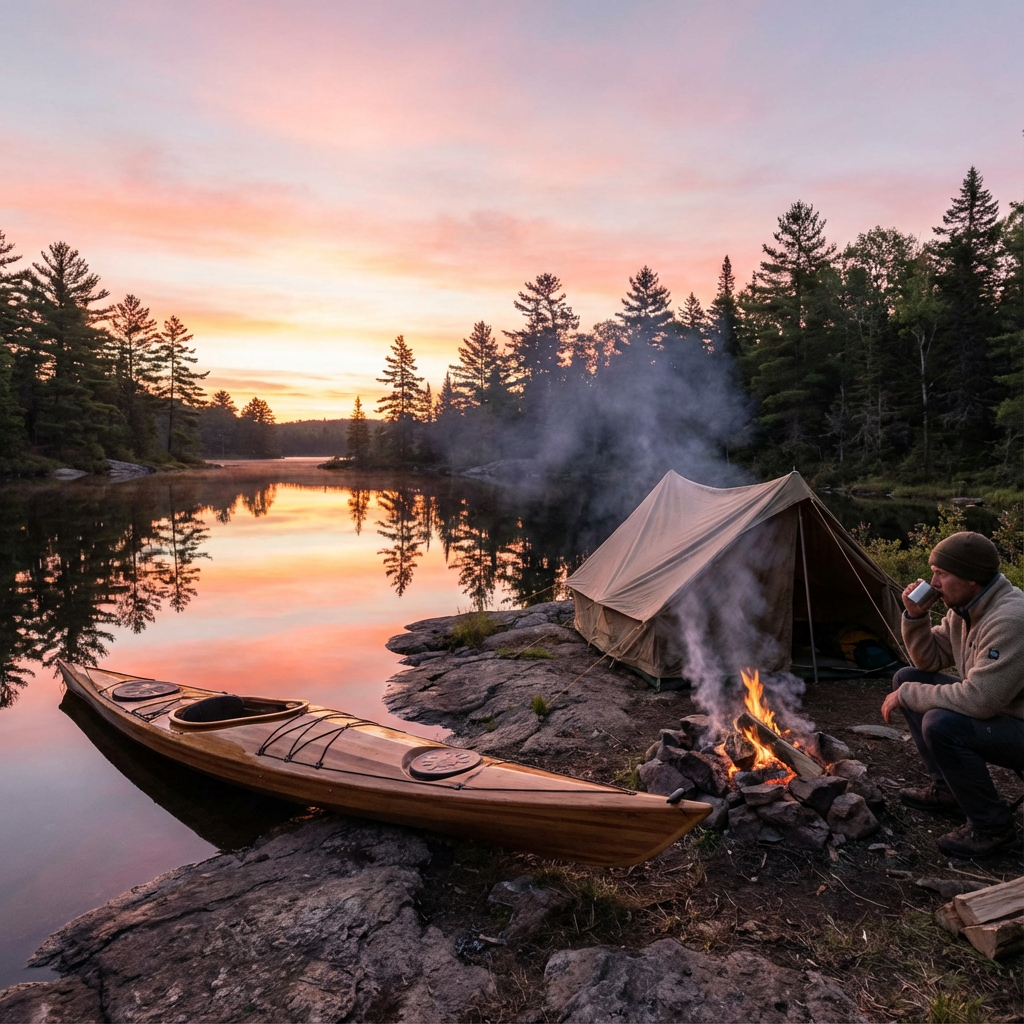
Most Grand Canyon visitors spend 45 minutes at a viewpoint and leave. Camping changes everything. You get the canyon at golden hour, at midnight under a sky so dark the Milky Way throws shadows, and at dawn when the layers of rock light up one color at a time.
Three ways to camp here: South Rim, North Rim, and below the rim. Each is a completely different experience.
South Rim Campgrounds
The South Rim is open year-round and gets 90% of the park’s visitors. It’s also where most of the camping infrastructure lives.
Mather Campground
Sites: 327 | Open: Year-round | Reservable: Yes | Fee: $30/night
The main campground, inside the park and a short walk from the village, shuttle stops, and rim trail. Pine and juniper forest gives decent shade and privacy between sites.
Best sites: The Juniper loop (sites 100-163) is quieter, set back from the main traffic areas. Avoid sites near the amphitheater unless you enjoy evening programs echoing through your campsite.
Reservations:
- Open 6 months ahead on Recreation.gov
- Spring break and October are the hardest windows
- Off-season (December-February) you can often get same-week availability
Pro tip: Mather is one of the best-value campgrounds in the national park system. $30 a night to camp inside the Grand Canyon, with a free shuttle system, clean restrooms, and the rim trail minutes from your site.
Desert View Campground
Sites: 50 | Open: Mid-April through Mid-October | Reservable: Yes | Fee: $30/night
25 miles east of Grand Canyon Village on the East Rim Drive. Smaller, quieter, and close to the Desert View Watchtower — one of the best viewpoints in the park.
Best for: Photographers, solitude seekers, people coming from the east (Cameron, Page, Monument Valley)
Pro tip: Desert View gets a fraction of Mather’s traffic. If Mather is booked, check here first. The drive along East Rim between Desert View and the village is one of the most scenic stretches in the park.
Trailer Village
Sites: 84 | Open: Year-round | Reservable: Yes | Fee: Starting around $60-100/night (varies by season)
Full hookups for RVs. Paved pull-through sites. If you need electricity and water connections, this is your only option on the South Rim.
North Rim Campground
North Rim Campground
Sites: 90 | Open: May 15-October 15 | Reservable: Yes | Fee: $30/night
The North Rim sits at 8,200 feet — 1,000 feet higher than the South Rim. It’s cooler, greener, and far less crowded. Only 10% of park visitors make it here, partly because it’s a 4.5-hour drive from the South Rim (or 21-24 miles straight across the canyon on foot, depending on route).
Note: The North Rim Campground was impacted by the 2024 Dragon Bravo Fire. Check the NPS website for current reopening status before planning a 2026 trip.
Best sites: Sites 11, 14, 15, and 18 are the closest to the rim with canyon views through the trees. They book first.
What you get:
- Far fewer people than the South Rim
- Ponderosa pine and spruce-fir forest
- Cooler summer temperatures (highs in the 60s-70s vs 80s-90s on the South Rim)
- Mule deer wandering through camp at dusk
Pro tip: The North Rim lodge has a saloon with a patio overlooking the canyon. After a day of hiking, grab a drink and watch the sunset from the best seat in the park. Not a bad reward.
North Rim vs South Rim
| Factor | South Rim | North Rim |
|---|---|---|
| Open | Year-round | May 15 - Oct 15 |
| Elevation | 7,000 ft | 8,200 ft |
| Crowds | Heavy | Moderate |
| Campground sites | 450+ | 90 |
| Summer temps | 80-95°F | 60-75°F |
| Views | Expansive, classic | Intimate, forested |
| Access | Easy (I-40, Flagstaff) | Remote (Hwy 67 from Jacob Lake) |
| Best for | First-timers, winter trips | Solitude, cooler weather |
The South Rim is the Grand Canyon most people picture. The North Rim is the Grand Canyon most people wish they’d known about sooner.
Below the Rim: Backcountry Camping
This is where the Grand Canyon becomes a completely different place. Below the rim, you’re inside the canyon — surrounded by billion-year-old rock, camping beside creeks, sleeping under a strip of sky framed by walls that go up forever.
Permits
Backcountry permits are required for all overnight camping below the rim. The permit system runs through the NPS Backcountry Information Center.
- Cost: $10 per permit + $24 per person per night below the rim (fees increased in 2025)
- Applications: Open 4 months before the start of the month you want to camp. (For a June trip, apply February 1.)
- Method: Online or fax — the park still uses fax, and serious backpackers still use it
- Competition: Popular corridors (Bright Angel, South Kaibab to Phantom Ranch) are hard to get
Top Backcountry Camps
Bright Angel Campground (Phantom Ranch area) At the bottom of the canyon along Bright Angel Creek. Cottonwood trees, potable water, toilets. Phantom Ranch canteen sells beer, lemonade, and meals (reserve ahead).
Havasupai Gardens Campground (formerly Indian Garden) Halfway down the Bright Angel Trail at 3,800 feet. Shade, water, and a side trip to Plateau Point for a killer sunset view. The campground was renamed in 2022 to honor the Havasupai people who were forcibly removed from this area.
Cottonwood Campground On the North Kaibab Trail, about 7 miles below the North Rim. Good staging point for rim-to-rim hikes.
Pro tip: The classic rim-to-rim hike (North Rim to South Rim, 24 miles) is one of the greatest backpacking routes in America. Most hikers take 3 days, camping at Cottonwood and Bright Angel. Start from the North Rim — it’s higher, so you net descend. Arrange a shuttle or have someone pick you up on the South Rim.
Havasupai Falls
Havasupai isn’t technically in Grand Canyon National Park, but it’s inside the canyon on the Havasupai Reservation, and it deserves mention.
Turquoise waterfalls cascading over red rock into swimming pools. It looks unreal because it basically is. The campground sits along Havasu Creek near Havasu Falls and Mooney Falls.
The catch: Permits are scarce and sell out fast. For 2026, early access opened January 21 and regular permits went on sale February 1 at 8am Arizona time at havasupaireservations.com. A 3-night campground permit costs $455 per person. The 10-mile hike in is hot and exposed. It’s a 2-3 day trip minimum.
Pro tip: Follow @haborevservations on social media for permit announcements, and check havasupaireservations.com for the latest booking details. The tribe has moved away from the old lottery system to a direct booking model. Have multiple people trying to book simultaneously.
Best Seasons
Spring (March-May)
The sweet spot for the Grand Canyon. Rim temperatures are comfortable (50s-70s), wildflowers bloom along the trails, and the inner canyon hasn’t hit its summer furnace mode yet. April is ideal.
Fall (September-November)
The other sweet spot. Summer heat breaks, crowds thin after Labor Day, and October brings golden cottonwoods along the creeks at the canyon bottom. The North Rim closes October 15.
Summer (June-August)
Rim camping is fine — warm but manageable. Below the rim is dangerous. Inner canyon temperatures exceed 110°F. The park restricts day hiking below the rim for good reason. If you’re backpacking in summer, start before dawn and stop hiking by 10am.
Winter (December-February)
South Rim only. The North Rim road closes. Snow on the rim, with clear views after storms. Mather Campground is open and rarely full. Cold nights (teens and single digits), but the canyon under fresh snow is worth every cold night.
What to Bring
For rim camping:
- Standard car camping gear
- Layers — rim temps swing 40+ degrees between afternoon and night
- Sunscreen and hat — 7,000 feet of elevation means intense UV
For below-the-rim:
- 1 gallon of water per person per day minimum (more in warm months)
- Electrolyte supplements — dry air and elevation dehydrate you fast
- Trekking poles — the trails are steep and rocky, your knees will thank you
- A headlamp with fresh batteries — you’ll likely be hiking before dawn
Pro tip: On the Bright Angel Trail, there are seasonal water refill stations (typically May-October) at Mile-and-a-Half Resthouse, Three-Mile Resthouse, and Havasupai Gardens. On South Kaibab, there is zero water. Check current water status at the trailhead before you go.
The Bottom Line
The Grand Canyon is a mile deep, 18 miles wide, and 277 miles long. You can’t absorb that from a parking lot. Camp on the rim and watch the light change for hours. Hike below the rim and feel the scale of geologic time press in around you.
The South Rim is easier. The North Rim is quieter. Below the rim changes how you see the place. Pick your experience based on your skill level, but pick one — and stay the night.
The Grand Canyon doesn’t need a sales pitch. It needs time. Give it a night, or three, and you’ll understand why a million years of erosion turned out to be the most beautiful accident on the planet. Happy Camping! 🏕️
More in Destinations
Keep reading.
Shenandoah Camping Guide: Skyline Drive, Fall Foliage, and the Best Campgrounds
Camp Shenandoah National Park right. Big Meadows, Loft Mountain, Lewis Mountain, Appalachian Trail access, and the best fall foliage camping on the East Coast.
Yellowstone Camping Guide: Best Campgrounds, Tips, and Seasons
Everything you need to camp Yellowstone right. Top campgrounds, reservation strategy, wildlife safety, and the gear that actually matters.
Acadia National Park Camping Guide
Navigate Acadia's 47,000 acres with practical camping strategy. Where to stay, what to do, and how to experience Maine's most iconic park without the chaos.