Yellowstone Camping Guide: Best Campgrounds, Tips, and Seasons
Everything you need to camp Yellowstone right. Top campgrounds, reservation strategy, wildlife safety, and the gear that actually matters.
Overview
12 campgrounds, 2,000+ sites, and bison outside your tent. Here's how to camp Yellowstone the right way.
Why Camp in Yellowstone?
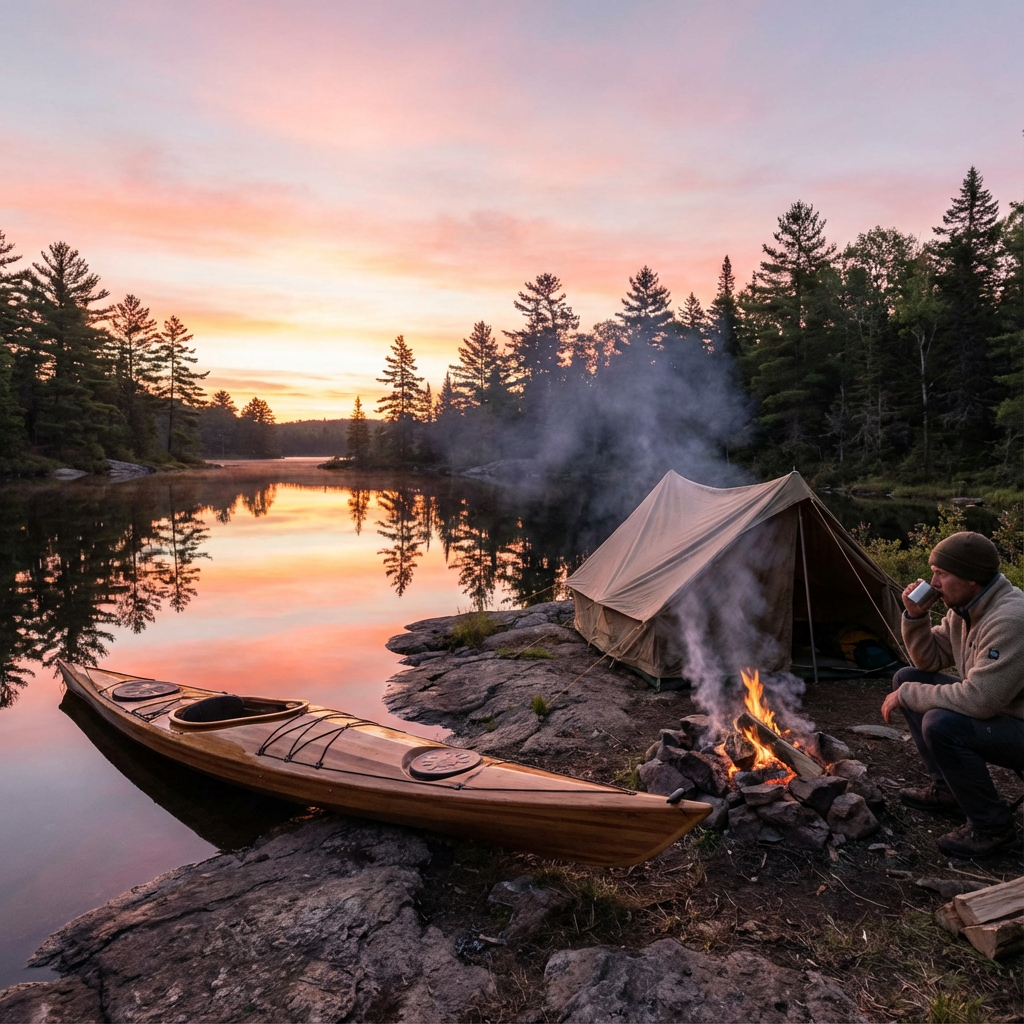
Yellowstone has 2.2 million acres, and most visitors see it from a car window between 10am and 4pm. Camping puts you in the park at dawn when elk are bugling across the meadows, at dusk when the hot springs glow against fading light, and at night when there’s nothing between you and the Milky Way but clean mountain air.
The park has 12 campgrounds and over 2,000 sites. Getting one takes planning, but it’s doable.
The Top Campgrounds
Madison Campground
Sites: 278 | Open: May-Mid October | Reservable: Yes | Fee: $33/night
The gold standard for Yellowstone camping. Sitting at the junction of the Firehole and Gibbon rivers, Madison puts you within 30 minutes of Old Faithful, Norris Geyser Basin, and the Grand Canyon of the Yellowstone. Elk graze through camp regularly.
Best sites: Loop G sits closest to the river. Loops A and B are more open with bigger sky views.
Pro tip: Madison fills fast. It’s booked through Yellowstone National Park Lodges (not Recreation.gov), with reservations opening up to 13 months in advance on the 5th of each month at midnight MT. Set a calendar reminder and be ready.
Bridge Bay Campground
Sites: 432 | Open: Mid May-Mid September | Reservable: Yes | Fee: $33/night
The biggest campground in the park, right on Yellowstone Lake. Some sites feel like a parking lot. Others are tucked in the trees and worth the effort.
Best for: Anglers (Yellowstone Lake cutthroat trout), boaters, families who want flush toilets and a camp store nearby.
Pro tip: Request a site in the outer loops away from the boat launch. The lakeside breeze keeps mosquitoes down in July.
Canyon Campground
Sites: 273 | Open: Late May-Late September | Reservable: Yes | Fee: $39/night
Central location near the Grand Canyon of the Yellowstone. The Upper and Lower Falls are a short drive or bike ride away. Showers and laundry available at the Canyon Village complex.
Best for: First-timers who want to be close to everything. Canyon Village has a general store, restaurants, and a visitor center.
Grant Village Campground
Sites: 430 | Open: Late June-Mid September | Reservable: Yes | Fee: $30/night
On the southwest shore of Yellowstone Lake. Less trafficked than Bridge Bay, with good access to the West Thumb Geyser Basin and the south entrance toward Grand Teton.
Best for: Combining Yellowstone and Grand Teton in one trip. Easy drive south through the John D. Rockefeller Jr. Memorial Parkway.
Norris Campground (Temporarily Closed)
Sites: 100 | Status: Closed indefinitely due to staffing and infrastructure issues | Fee: Check NPS website for reopening updates
Norris has been closed for several years and remains closed as of 2026 due to the park’s inability to staff emergency services and maintain facilities at this remote location. When open, it was one of the best campgrounds in the park — small, quiet, and close to Norris Geyser Basin, the hottest and most dynamic thermal area in Yellowstone. Steamboat Geyser, the world’s tallest active geyser, is nearby.
Pro tip: Check the NPS Yellowstone operating dates page before your trip. If Norris reopens, it’s worth rearranging your plans to grab a site here.
Reservation Strategy
Yellowstone has two separate reservation systems, so pay attention to which campground you want:
Yellowstone National Park Lodges manages Madison, Bridge Bay, Canyon, Grant Village, and Fishing Bridge RV Park. Reservations open up to 13 months in advance on the 5th of each month at midnight MT. Book at yellowstonenationalparklodges.com or call 866-439-7375.
Recreation.gov manages Mammoth, Slough Creek, and part of Pebble Creek. Reservations open 6 months ahead on a rolling basis at 8:00am MT.
Here’s how to actually get a site:
- Know which system your campground uses — this is the most common mistake
- Be online right when the window opens — sites go fast, especially Madison and Canyon
- Have your dates and campground picked before the window opens. No browsing.
- Book midweek if you can. Tuesday-Wednesday sites are easier to grab than Friday-Saturday.
- Check cancellations — People cancel constantly. Check both systems regularly in the weeks before your trip.
First-come, first-served campgrounds (Mammoth, Indian Creek, Lewis Lake, Pebble Creek, Slough Creek) are an option if you strike out on reservations. Arrive before 9am and expect to wait.
Pro tip: Slough Creek is worth the effort. Only 16 sites, down a bumpy dirt road in the Lamar Valley. The fishing is world-class and it’s the best wolf-watching in the park. Get there by 7am.
Best Seasons
Summer (June-August)
Peak season. Everything is open, days are long, and the weather is generally cooperative. Expect daytime highs of 70-80°F and nighttime lows in the 30s-40s. Afternoon thunderstorms roll through regularly.
This is when campgrounds are hardest to book. If summer is your only option, target late June before the big July rush.
Fall (September-October)
The best-kept secret. Crowds thin dramatically after Labor Day. Elk rut fills the valleys with bugling in September. Aspens and cottonwoods turn gold. Nighttime temps drop below freezing, so bring a sleeping bag rated to 20°F or lower.
Most campgrounds close by mid-September, but Madison stays open into October.
Spring (April-May)
The park wakes up. Bears emerge with cubs. Waterfalls run at peak flow from snowmelt. Many roads and campgrounds don’t open until late May, so check the NPS website for current conditions.
Winter (December-March)
Only Mammoth Campground stays open year-round ($25/night). Beyond Mammoth, you can only get around by snowcoach or snowmobile. Temps can hit -20°F. This is for experienced cold-weather campers only.
What to Bring
Yellowstone camps sit between 6,000 and 8,000 feet elevation. Nights are cold even in July. Pack for it.
Essentials:
- Sleeping bag rated to 20°F (even in summer, nights drop to freezing at elevation)
- Rain gear — afternoon storms are daily occurrences June through August
- Bear spray — carry it, know how to use it, keep it accessible (not in your pack)
- Hard-sided cooler — required for food storage, bears will destroy soft coolers
- Layers — a 75°F afternoon can become a 35°F evening fast
- Binoculars — you’ll use them every single day
Pro tip: Buy bear spray at the park’s general stores or in gateway towns like West Yellowstone. It’s cheaper than online and you won’t have to deal with airline restrictions.
Wildlife Safety
Yellowstone has grizzly bears, black bears, bison, elk, moose, and wolves. They’re wild animals, not attractions.
Bears:
- Store all food, coolers, and scented items in your car or bear box. Never in your tent.
- Cook and eat at least 100 yards from your sleeping area when backcountry camping
- Carry bear spray and know the range (effective at 20-30 feet)
- Make noise on trails. Clap, talk, or use bells in thick brush.
Bison:
- Stay 25 yards minimum. Bison injure more visitors than bears do.
- They look slow. They can run 35 mph.
- If a bison is in your campsite, give it space and wait. They move on.
Elk:
- 25-yard minimum distance. During the fall rut (September-October), bull elk are aggressive and unpredictable.
- Never get between a cow and her calf.
Pro tip: Carry bear spray on your belt or chest holster, not buried in your backpack. You’ll have 2-3 seconds to react in a charge situation. Practice pulling and deploying before you hit the trail.
The Bottom Line
Yellowstone rewards campers who plan ahead. Get your reservation the day the window opens, pack for cold nights and sudden weather, respect the wildlife, and you’ll see this park the way it was meant to be seen — slowly, quietly, and up close.
The geysers deliver. The canyon stops you mid-sentence. But the morning you wake up to bison grazing 50 yards from your tent with steam rising off the Firehole River — that’s the moment that stays with you.
Yellowstone is the tent trip every camper should take at least once. Plan early, pack smart, and let the park do the rest. Happy Camping! 🏕️
More in Destinations
Keep reading.
Grand Canyon Camping Guide: South Rim, North Rim, and Below the Rim
The real guide to camping the Grand Canyon. Mather, Desert View, North Rim, backcountry permits, and the Havasupai trip of a lifetime.
Shenandoah Camping Guide: Skyline Drive, Fall Foliage, and the Best Campgrounds
Camp Shenandoah National Park right. Big Meadows, Loft Mountain, Lewis Mountain, Appalachian Trail access, and the best fall foliage camping on the East Coast.
Acadia National Park Camping Guide
Navigate Acadia's 47,000 acres with practical camping strategy. Where to stay, what to do, and how to experience Maine's most iconic park without the chaos.