Best Campgrounds in Yosemite National Park: Valley to Backcountry
Complete guide to Yosemite camping. Discover the best campgrounds from valley floor to high country, plus insider tips for scoring reservations.
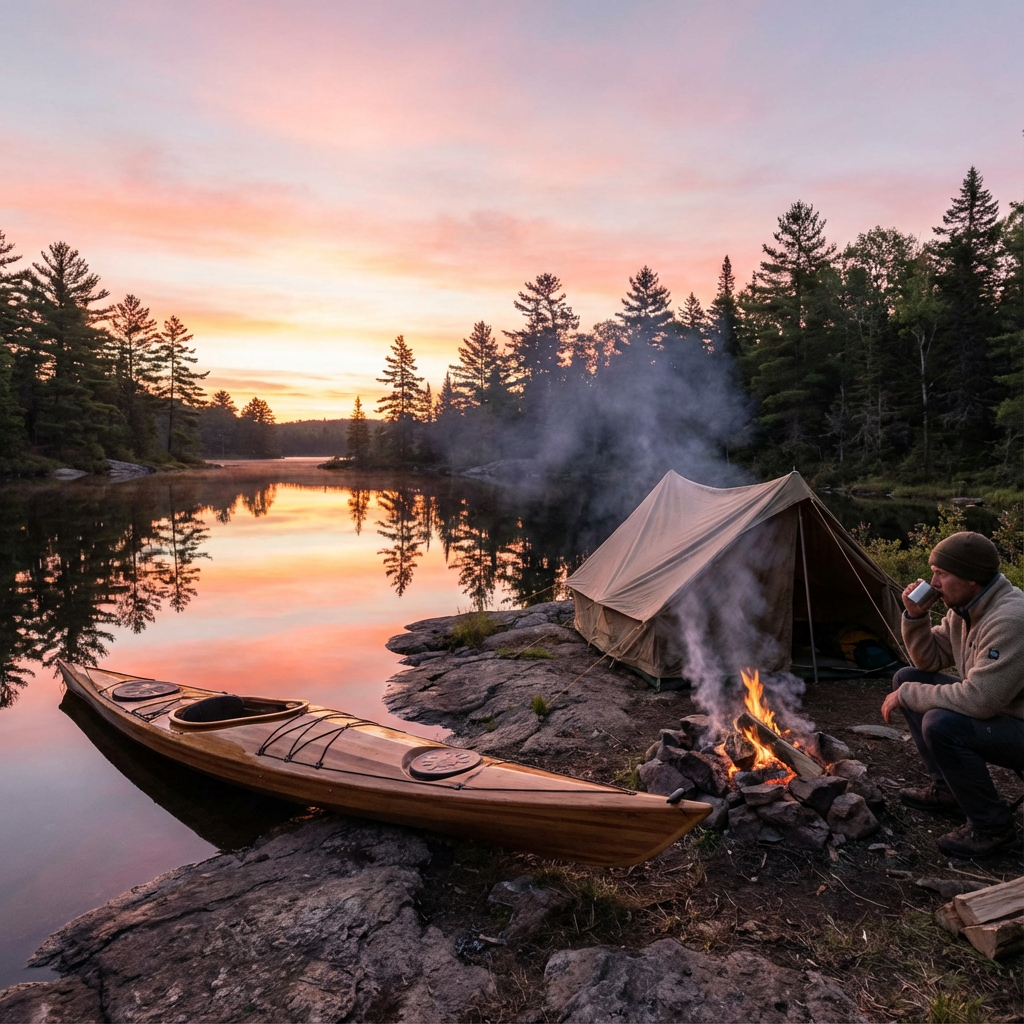
Overview
Yosemite's best campgrounds from valley floor to high country. Here's where to snag a site.
Why Yosemite?
Yosemite National Park is the holy grail of camping destinations. With granite cliffs that pierce the sky, ancient sequoias that have witnessed centuries, and waterfalls that thunder through the valley, it’s a place that reminds you why you started camping in the first place.
Top Campgrounds
1. Upper Pines (Valley Floor)
The most sought-after real estate in the park. You’ll wake up to views of Half Dome and be within walking distance of everything the valley has to offer. This campground has 238 sites that accommodate tents and RVs up to 35 feet. Each site includes a fire ring, picnic table, and access to flush toilets and drinking water.
Pro tip: Reservations open 5 months in advance at 7 AM Pacific. Set your alarm.
2. Camp 4 (Climber’s Paradise)
This is where legends are made. The walk-in campground has a first-come, first-served policy and a community vibe that’s unmatched. Share stories around the fire with climbers from around the world. Sites are shared with up to six people per site, and the daily lottery for spots begins at 8:30 AM. Arrive before dawn during peak season if you want a realistic shot.
3. Tuolumne Meadows
Escape the valley crowds at this high-elevation gem. At 8,600 feet, the air is crisp, the stars are brilliant, and the subalpine meadows stretch endlessly. We recommend visiting in mid-summer when snow has melted but crowds haven’t peaked. The nearby Cathedral Lakes make for excellent day hikes. Note that Tuolumne typically opens in late June or early July depending on snowpack and closes by late September. Half of the 304 sites are reservable; the other half are first-come, first-served.
4. Wawona Campground
Located south of the valley, Wawona offers a quieter alternative with access to the Mariposa Grove of Giant Sequoias. It’s less crowded than Upper Pines but maintains excellent amenities and proximity to major attractions. The nearby Chilnualna Falls provide a stunning four-mile hike. Wawona sits at 4,000 feet elevation, making it warmer than high-country options and accessible year-round (though some sites close in winter).
5. Bridalveil Creek
For backpackers seeking solitude, we recommend Bridalveil Creek for its remote location and stunning high-country views. This backcountry option requires permits but rewards you with genuine wilderness experience and minimal crowds.
Reservation Strategy & Timing
Getting a Yosemite campground reservation requires strategy. Reservations open five months in advance at 7 AM Pacific Time—literally. We recommend setting multiple alarms and being ready to book instantly when sites open. Valley campgrounds fill within minutes during peak summer season. Consider visiting during shoulder seasons (May or September) for better availability and fewer crowds.
If you miss the initial reservation window, check daily for cancellations. Cancellations happen regularly as camping plans change, so persistent checking can pay off. The best times to check are Sunday evenings (when people finalize weekend plans) and two weeks before your target dates (when cancellation fees kick in).
Create an account on Recreation.gov before reservation day. Have your dates, campground preferences, and payment info ready to go. Some campers open multiple browser tabs for different campgrounds to hedge their bets.
Best Times to Visit
Spring (April-May): Waterfalls are at peak flow from snowmelt. Weather is unpredictable—pack for rain. Valley campgrounds open, but high country remains snowed in.
Summer (June-August): Prime season with all facilities open. Expect crowds and difficulty booking. Temperatures reach 90F+ in the valley, making high-country camping at Tuolumne a cooler alternative.
Fall (September-October): Our favorite time. Crowds thin dramatically after Labor Day, temperatures are pleasant, and the valley takes on golden hues. Some facilities begin closing mid-October.
Winter (November-March): Upper Pines operates year-round with reduced capacity. Fewer visitors means peaceful valley exploring, but cold nights and potential road closures require preparation.
Backup Options If Sold Out
Don’t give up if Yosemite campgrounds are full. Several alternatives keep you close to the action:
Hodgdon Meadow: Located near the Big Oak Flat entrance, this 105-site campground is often overlooked and has sites available when valley options are gone.
National Forest Campgrounds: Stanislaus and Sierra National Forests border Yosemite and offer dozens of campgrounds within a 30-60 minute drive of valley attractions. Check sites along Highway 120 and Highway 140.
First-Come, First-Served Strategy: During shoulder season, arrive early (before 9 AM) to Camp 4 or the unreserved portion of Tuolumne Meadows. Weekdays dramatically improve your odds.
Dispersed Camping: Free camping is allowed in surrounding national forests. Find a suitable spot along forest roads outside park boundaries—just follow Leave No Trace principles.
Essential Gear
- Bear canister - Required in Yosemite. No exceptions.
- Layers - Even summer nights get cold
- Headlamp - For those middle-of-the-night bathroom runs
- Reservations confirmation - Rangers check, so have it accessible
- Cash - Some park services don’t take cards
Final Thoughts
Whether you’re a first-timer or a Yosemite veteran, there’s always something new to discover. Book early, pack smart, and leave no trace.
Happy Camping! 🏕️
More in Destinations
Keep reading.
Grand Canyon Camping Guide: South Rim, North Rim, and Below the Rim
The real guide to camping the Grand Canyon. Mather, Desert View, North Rim, backcountry permits, and the Havasupai trip of a lifetime.
Shenandoah Camping Guide: Skyline Drive, Fall Foliage, and the Best Campgrounds
Camp Shenandoah National Park right. Big Meadows, Loft Mountain, Lewis Mountain, Appalachian Trail access, and the best fall foliage camping on the East Coast.
Yellowstone Camping Guide: Best Campgrounds, Tips, and Seasons
Everything you need to camp Yellowstone right. Top campgrounds, reservation strategy, wildlife safety, and the gear that actually matters.